Ajith Lal
Head Strength Coach, Luxfit
There's a persistent belief in fitness culture that more training equals more results. Train harder, train longer, train more frequently. But this equation ignores the half of the equation that actually produces results: recovery.
The Adaptation Window
Physical adaptation — getting stronger, faster, leaner — does not happen during training. It happens in the hours and days after. Training is the stimulus; recovery is where the body responds to that stimulus by rebuilding tissue stronger than before. Skip or shortchange recovery, and you accumulate fatigue without the corresponding adaptation.
Signs Your Recovery Is Inadequate
Persistent soreness lasting more than 72 hours after training is a red flag. So is a plateau in performance despite consistent effort, elevated resting heart rate, disrupted sleep, and a general sense of dread before workouts. These are your body's signals that the stress-recovery balance has tipped in the wrong direction.
Active vs Passive Recovery
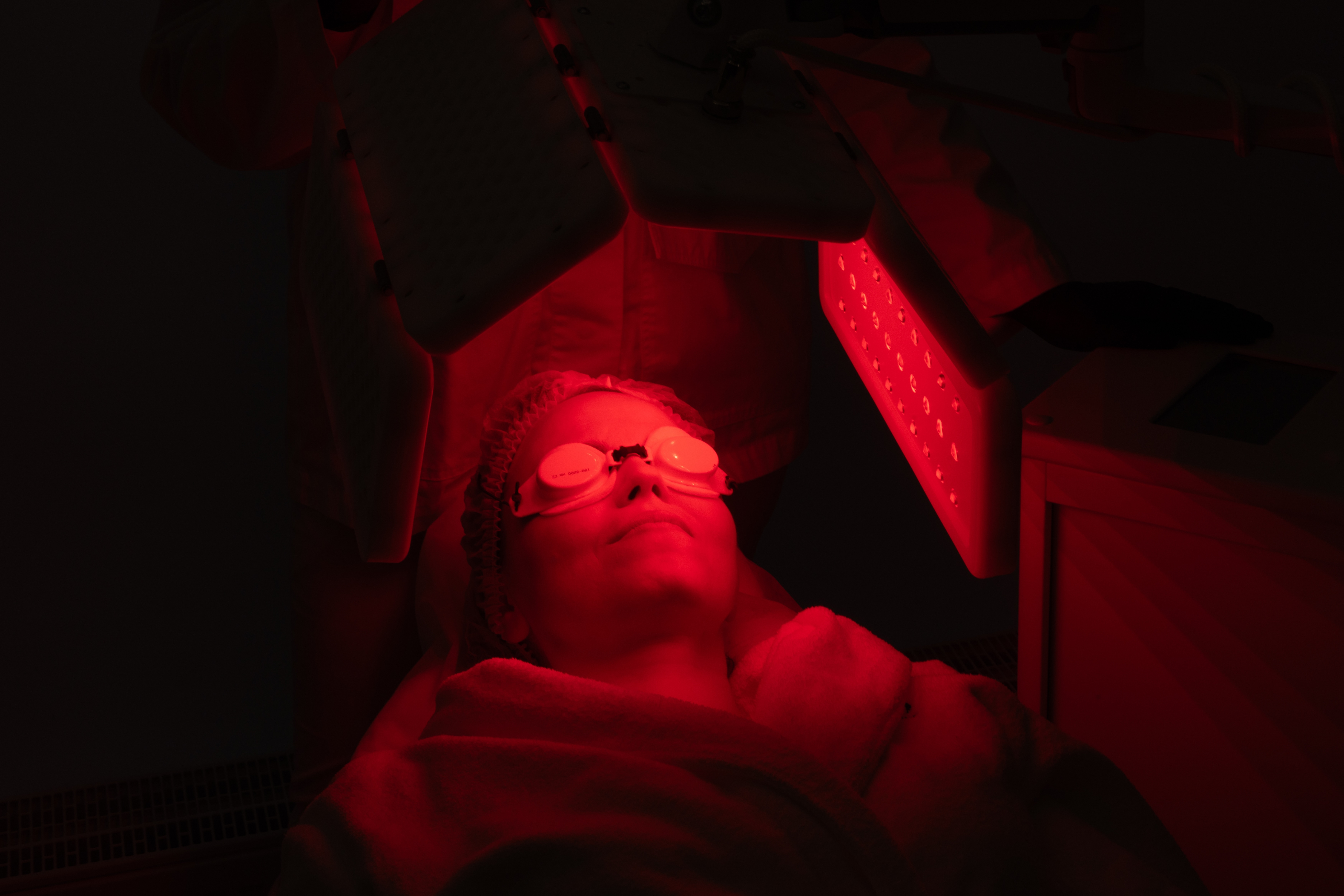
Passive recovery — rest days, sleep, hydration — is essential but incomplete. Active recovery protocols accelerate the process. Heat exposure via sauna increases blood flow and reduces muscle tension while also triggering heat shock proteins that protect cells from stress. Cold exposure via ice bath or contrast therapy drives down inflammation and resets the nervous system. Red light therapy stimulates cellular repair at the mitochondrial level. These aren't luxuries — they're tools.
Building Recovery Into Your Week
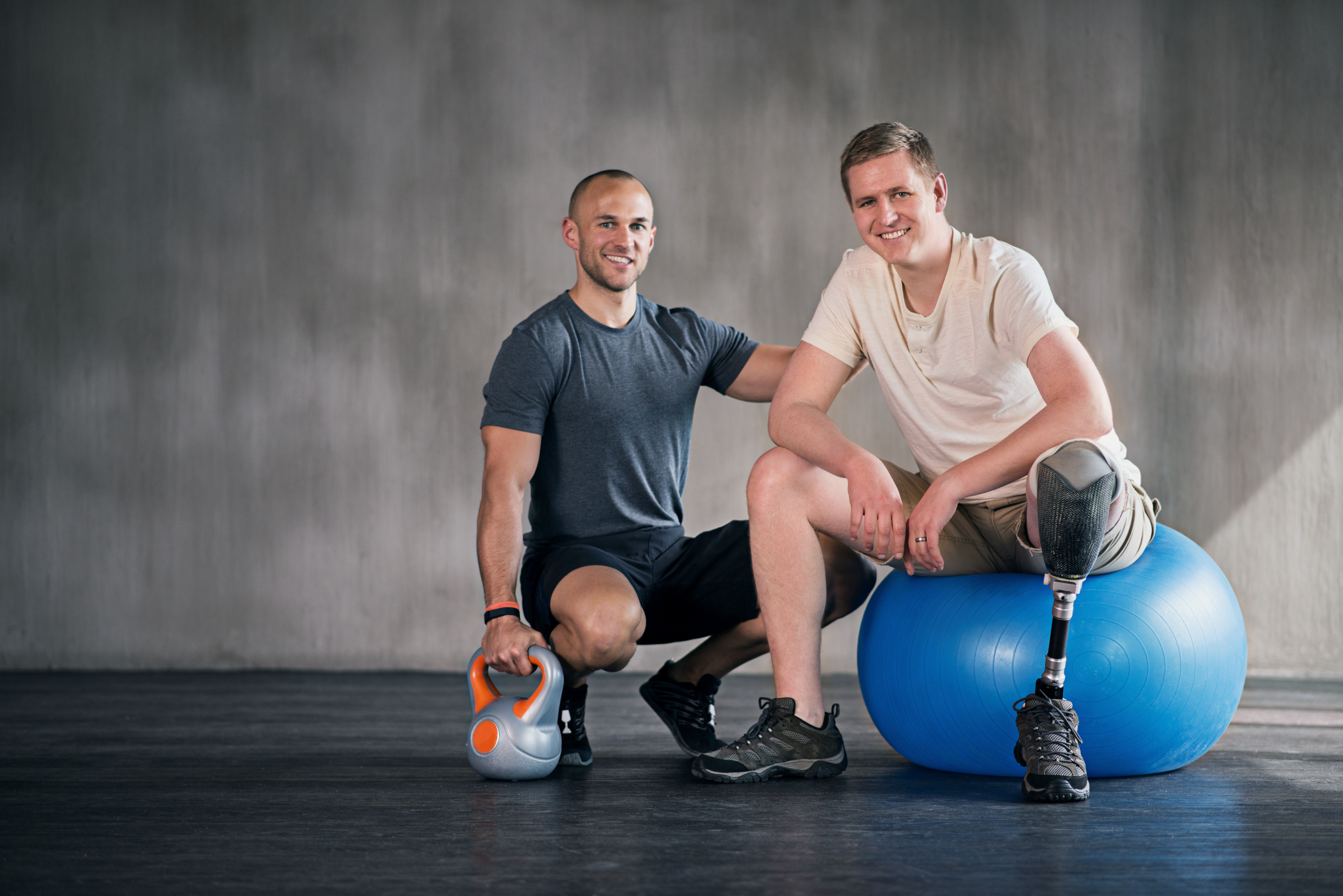
At Luxfit, we recommend treating recovery sessions with the same non-negotiable attitude as training sessions. For most members, 2–3 dedicated Recovery Lab visits per week — combined with proper training structure — produces noticeably better results than training alone. Our physiotherapy team can also assess your movement patterns to identify chronic tension that passive rest simply won't resolve.
The athletes who perform best over long careers aren't the ones who trained the hardest — they're the ones who recovered the smartest.